
 Log In


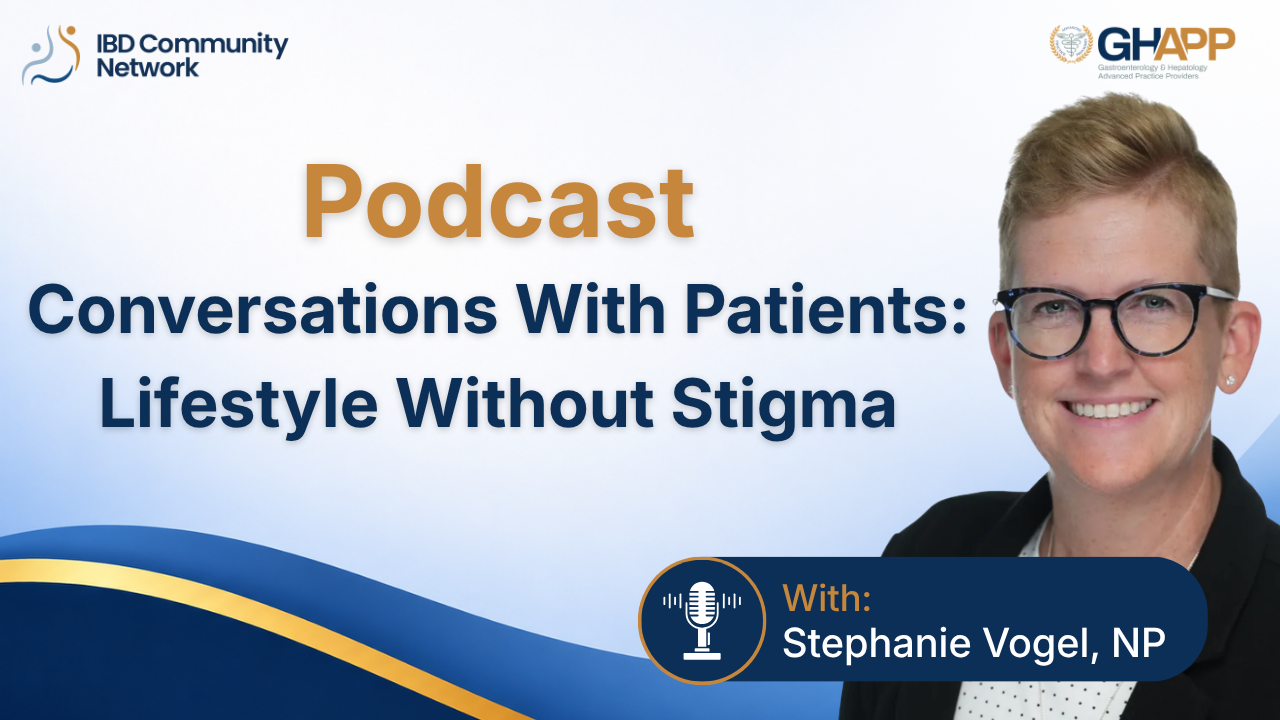
How can healthcare providers discuss lifestyle modifications with patients living with inflammatory bowel disease (IBD) without creating stigma or judgment? In this educational video, we explore evidence-based, patient-centered communication strategies for navigating conversations about smoking cessation, exercise, weight management, and nutrition in individuals with Crohn’s disease and ulcerative colitis. Learn how gastroenterologists, nurse practitioners, physician assistants, and other healthcare professionals can promote shared decision-making, address lifestyle-related barriers, and empower patients to set realistic, individualized health goals. Discover the impact of smoking on Crohn’s disease outcomes, practical approaches to supporting smoking cessation, and ways to encourage physical activity while accounting for IBD symptoms such as fatigue, abdominal pain, urgency, and active inflammation. We also examine the importance of discussing weight without stigma, recognizing nutritional deficiencies and muscle loss, and understanding how dietary patterns, including the Mediterranean diet, may support overall health in patients with IBD. Explore the difference between food-related symptoms and intestinal inflammation, the role of individualized nutrition counseling, and why lifestyle modifications should complement rather than replace effective IBD treatment. Through practical examples and stigma-free language, this video highlights how compassionate communication, evidence-based recommendations, and collaborative goal-setting can strengthen patient-provider relationships and support long-term IBD management. Visit the IBD Community Network for additional educational resources, clinical insights, and strategies to improve care for patients living with Crohn’s disease and ulcerative colitis.
Resources
Categories
-
 Video
-
Podcast
-
FAQ