
 Log In



Angelina Collins
NP
 San Diego, CA, USA
About
Angelina Collins, NP, brings over 17 years of experience in gastroenterology, specializing in the comprehensive care of patients at the Inflammatory Bowel Disease (IBD) Center. She is dedicated to providing patient-centered care for individuals with Crohn’s disease and ulcerative colitis. Whether patients are newly diagnosed, managing long-standing complications, or participating in clinical trials, Angelina’s expertise and commitment ensure support at every stage of their journey.
IBD Content Featuring Angelina Collins
 Featured Content by Angelina Collins
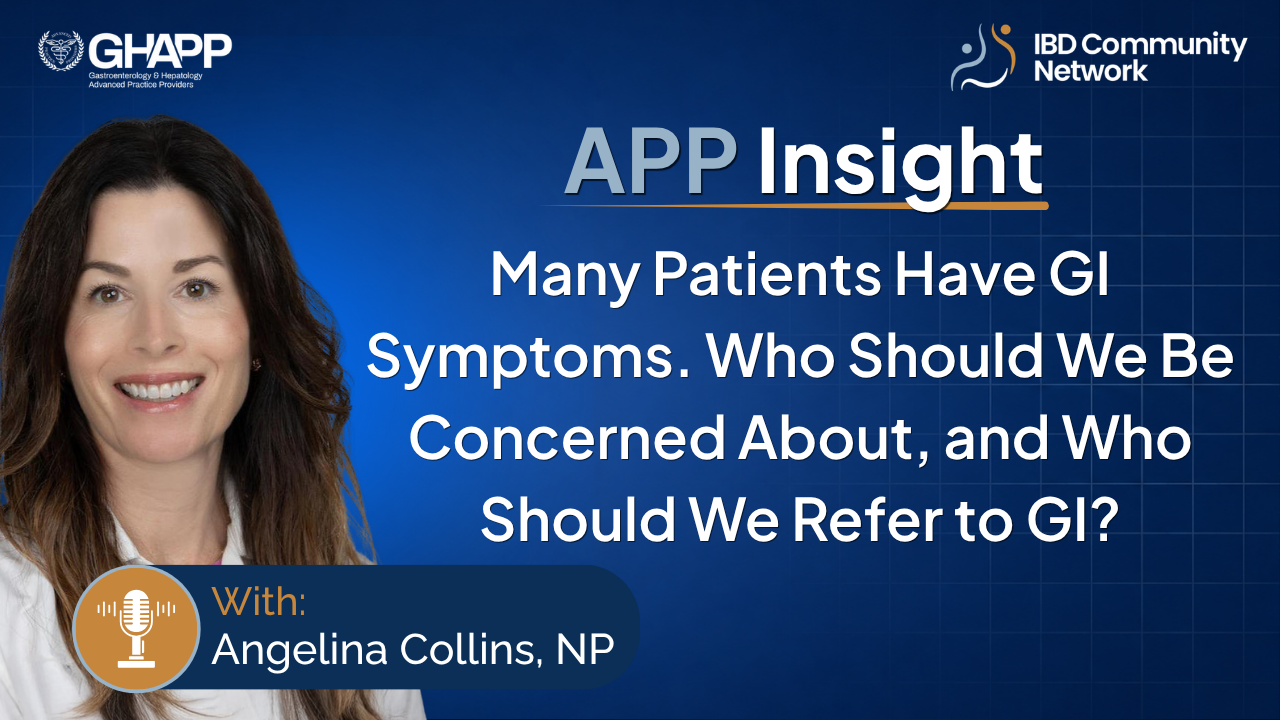
APP Insight: Patients With GI Symptoms: Who Should We Be Concerned About & Who Should We Refer to GI?
In this IBD Community Network APP Insight, Angelina Collins discusses how primary care providers can recognize gastrointestinal symptoms that warrant further evaluation for inflammatory bowel disease (IBD), including Crohn’s disease and ulcerative colitis. She reviews key red flags, including nighttime bowel movements, blood in the stool, chronic abdominal pain lasting more than three months, unexplained weight loss, and iron deficiency anemia. The discussion also highlights important warning signs in pediatric patients, including poor growth, falling off the growth curve, and delayed puberty in adolescents. Angelina explains how a family history of IBD can increase suspicion and discusses an initial workup that includes basic laboratory testing, inflammatory markers, and fecal calprotectin stool testing, alongside referral to gastroenterology. Throughout the episode, she emphasizes the importance of timely evaluation and diagnosis to support earlier treatment and potentially reduce the risk of future complications. Viewers will gain practical insights into identifying IBD red flag symptoms, recognizing patients who need a gastroenterology referral, and supporting prompt evaluation in primary care. Visit the IBD Community Network for more expert education and resources on inflammatory bowel disease management.
Learn More
Featured Content by Angelina Collins
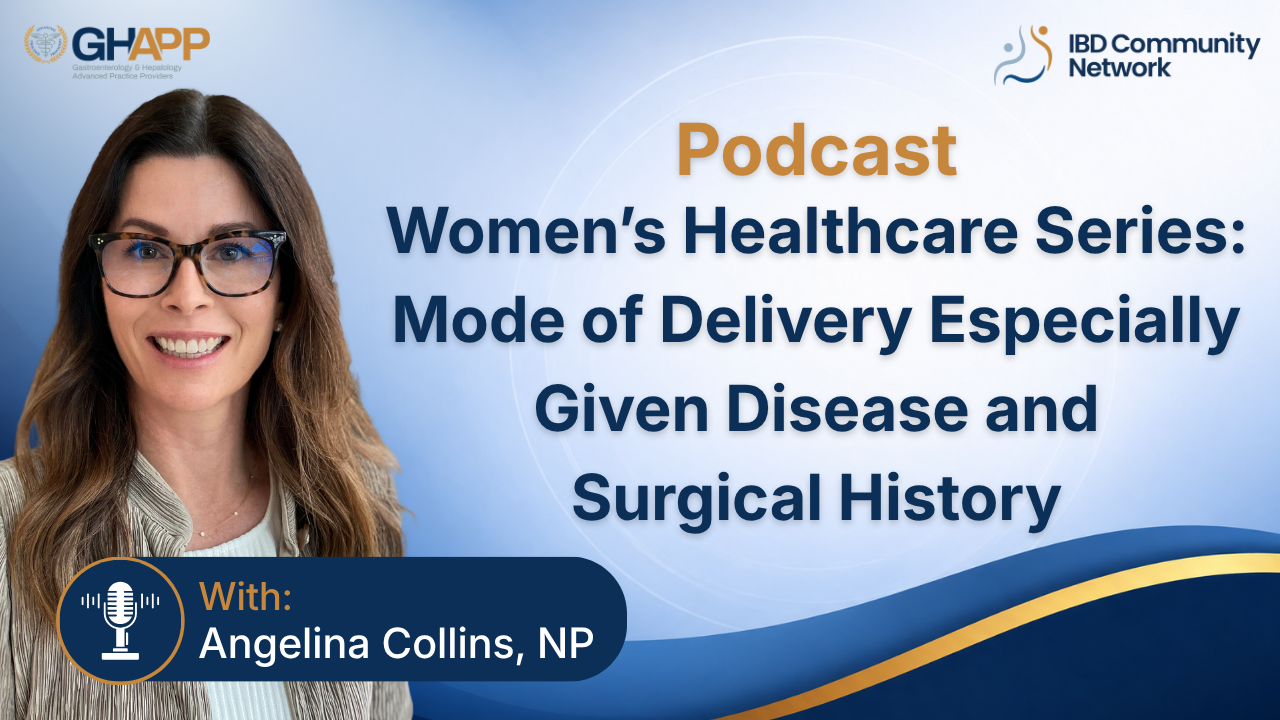
Podcast: Women's Healthcare Series: Mode of Delivery Especially Given Disease and Surgical History
In this IBD Community Network podcast, Angelina Collins discusses pregnancy and delivery planning for patients with Crohn’s disease and ulcerative colitis. She explains why an inflammatory bowel disease (IBD) diagnosis does not automatically require a cesarean section (C-section) and emphasizes the role of obstetric considerations in determining the mode of delivery. Referencing the October 2025 global consensus statement on pregnancy and IBD, Angelina reviews circumstances that may warrant C-section planning, including active perianal disease, previous perianal or fistula surgery, an ileal pouch–anal anastomosis (IPAA), also known as a J-pouch, and prior complex surgery. The discussion explores concerns about fistulas, abscesses, injury to previously repaired surgical sites, and the importance of protecting anal sphincter function, preserving continence, and avoiding pelvic floor injury. She also addresses areas where evidence is less definitive, particularly for patients with a history of perianal disease, and discusses how previous disease severity and surgical complexity can inform individualized delivery decisions. Throughout the episode, Angelina emphasizes early conversations, shared decision-making, and coordinated care among gastroenterology providers, obstetricians, maternal-fetal medicine specialists, and colorectal surgeons. Viewers will gain practical insights into counseling pregnant patients with IBD, identifying situations that require additional delivery planning, and helping patients understand how their disease and surgical history may influence recommendations for vaginal delivery or C-section. Visit the IBD Community Network for more expert education and resources on inflammatory bowel disease management.
Learn More
Featured Content by Angelina Collins
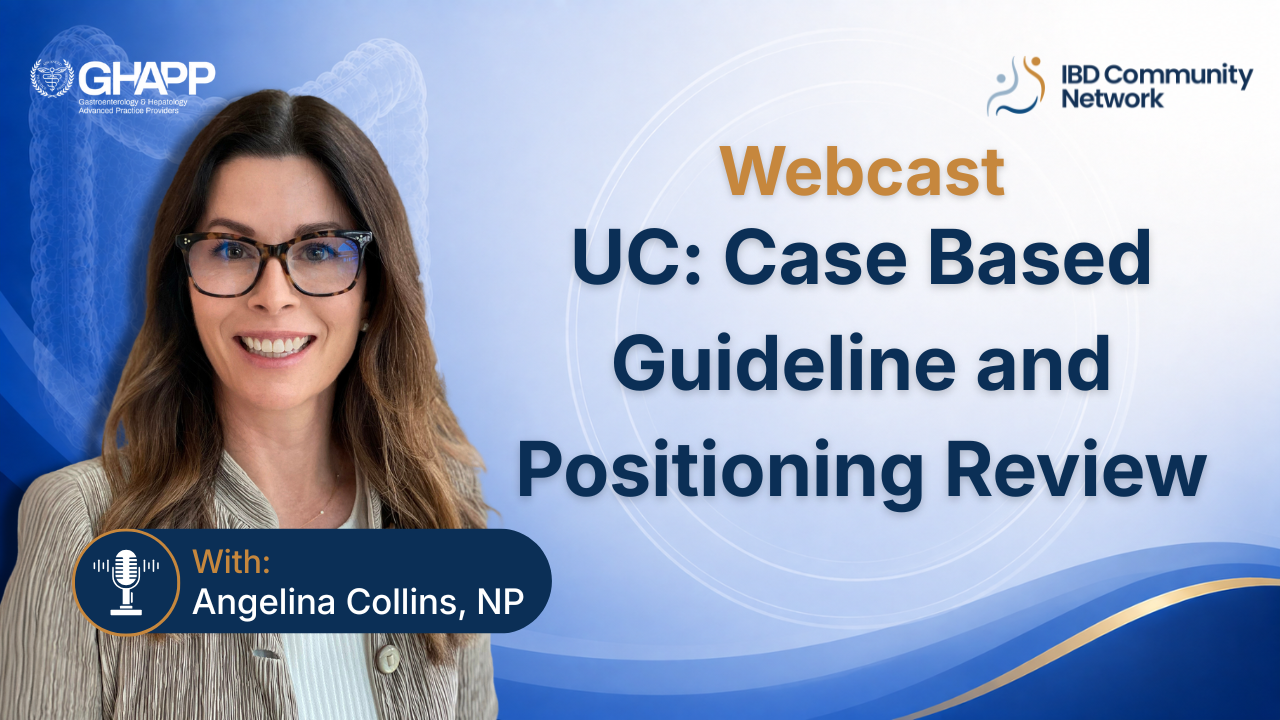
Webcast: UC: Case Based Guideline and Positioning Review With Angelina Collins
In this IBD Community Network case-based discussion, Angelina Collins, NP, from UC San Diego reviews how healthcare professionals can evaluate and manage moderate-to-severe ulcerative colitis. Using a patient with persistent symptoms despite corticosteroids, mesalamine, and adalimumab, the session explores the differences between ulcerative colitis and Crohn’s disease, IBD diagnosis, disease phenotypes, poor prognostic factors, and measures of disease activity—including stool frequency, rectal bleeding, fecal calprotectin, CRP, colonoscopy findings, and the Mayo endoscopic score. The presentation also examines evidence-based ulcerative colitis treatment selection, AGA and ACG guidelines, therapy sequencing after anti-TNF exposure, steroid-sparing strategies, biomarker monitoring, repeat colonoscopy, and shared decision-making. Viewers will gain practical insights into recognizing an inadequate treatment response, selecting appropriately effective therapy early, and reducing the risks associated with ongoing inflammation, hospitalization, surgery, colorectal cancer, and other complications of uncontrolled ulcerative colitis. Visit the IBD Community Network for more educational resources related to IBD care.
Learn More
Featured Content by Angelina Collins
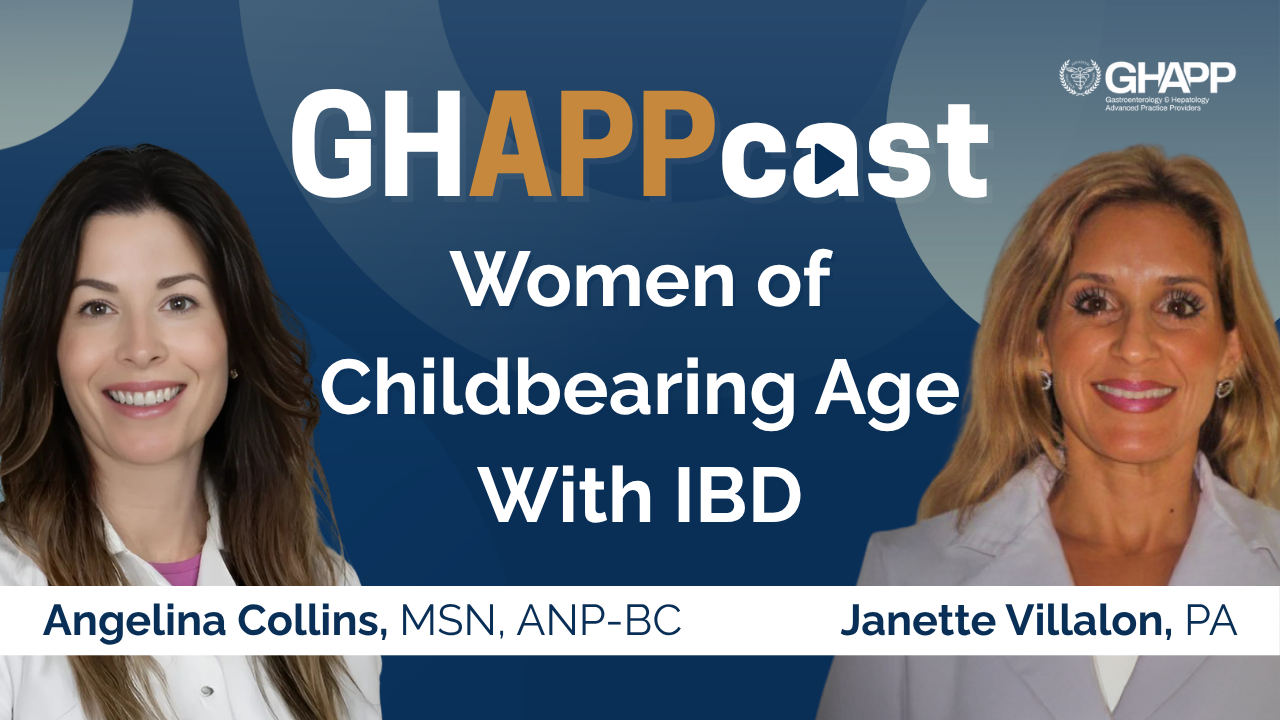
Women of Childbearing Age With IBD
Thank you AbbVie for your support on this podcast episode. Navigating pregnancy with inflammatory bowel disease (IBD) can bring unique questions, concerns, and misconceptions—especially for women of childbearing age. In this expert-led episode, Janette Villalon, PA and Angelina Collins, MSN, ANP-BC, two dedicated IBD specialists break down the latest evidence and global consensus recommendations on pregnancy and IBD. Together, they explore fertility considerations, preconception counseling, voluntary childlessness, medication safety during pregnancy and breastfeeding, the impact of disease activity on maternal and fetal outcomes, and how to debunk persistent myths around IBD and pregnancy. Learn why remission at conception is critical, how to approach family planning conversations in the clinic, which therapies—including biologics and biosimilars—can be safely continued, and when to involve maternal–fetal medicine or colorectal surgery. The hosts also discuss managing flares during pregnancy, monitoring strategies such as fecal calprotectin each trimester, and when C-section may be recommended. This conversation provides timely, practical guidance to help clinicians counsel women with Crohn’s disease or ulcerative colitis with confidence, reduce fears, and support healthy pregnancies and postpartum outcomes for IBD patients.
Learn More
Featured Content by Angelina Collins
Podcast: Preventative Care and Long-Term Surveillance
Carly Koelsch, a nurse practitioner at Florida Digestive Health, discusses health maintenance and preventive care for patients with inflammatory bowel disease (IBD), including Crohn’s disease and ulcerative colitis. She reviews vaccination assessment at diagnosis, considerations for patients receiving immunosuppressive therapies, and the importance of addressing preventive care alongside disease management. The discussion explores colorectal cancer surveillance, factors that influence screening frequency, and additional monitoring considerations for patients with primary sclerosing cholangitis (PSC). Carly also addresses cervical, anal, and skin cancer screening, highlighting the importance of individualized risk assessment and coordination with other healthcare providers. She discusses bone health, corticosteroid exposure, bone density testing, and calcium and vitamin D supplementation, along with smoking cessation counseling. The episode also emphasizes recognizing depression and anxiety, connecting patients with mental health resources, and understanding how psychosocial concerns can affect treatment adherence and daily functioning. Designed for nurse practitioners, physician assistants, and other healthcare professionals caring for patients with IBD, this podcast offers practical insights into integrating health maintenance into routine visits and supporting comprehensive, patient-centered care beyond intestinal inflammation. Visit the IBD Community Network for more expert education and resources on inflammatory bowel disease management.
Learn More
Featured Content by Angelina Collins
Podcast: Communication as a Clinical Skill: Building Trust and Navigating Hard Conversations
In this IBD Community Network podcast, Melissa Ferrari, an advanced practice provider in San Diego, discusses building trust and navigating difficult conversations with patients living with inflammatory bowel disease (IBD), including Crohn’s disease and ulcerative colitis. She explores how patient-provider communication, health literacy, and shared decision-making influence treatment understanding, medication adherence, and quality of life. Melissa reviews practical strategies for explaining immune-mediated disease in plain language, checking understanding throughout visits, and creating space for patients to express concerns and ask questions. The discussion addresses treatment hesitancy, online health information, and differing expectations about disease management, emphasizing the importance of understanding patients’ perspectives while clearly communicating evidence-based recommendations. Using ulcerative proctitis and conversations about rectal therapies and oral mesalamine as an example, she illustrates how treatment preferences and adherence barriers can shape a realistic care plan. Additional topics include responding respectfully when patients disagree with recommendations, explaining concerns about uncontrolled inflammation, and transparently documenting treatment decisions and follow-up monitoring. Melissa also highlights the emotional burden of IBD, including anxiety and depression, and encourages clinicians to ask open-ended questions about patients’ emotional well-being. Throughout the episode, she presents communication as a clinical skill that can be developed and emphasizes maintaining trust even when treatment discussions require multiple conversations. Viewers will gain practical insights into improving IBD patient education, addressing challenging treatment conversations, and supporting informed decisions through clear, compassionate communication. Visit the IBD Community Network for more expert education and resources on inflammatory bowel disease management.
Learn More
Featured Content by Angelina Collins
Podcast: IBD Through Life Stages: Reproductive Health, Pregnancy, and Beyond
In this IBD Community Network podcast, Kristin Attiogbe, a nurse practitioner with Capital Digestive Care in Maryland, discusses inflammatory bowel disease (IBD) management across life stages, focusing on reproductive health, pregnancy, breastfeeding, and care for older adults with Crohn’s disease and ulcerative colitis. She emphasizes maintaining treat-to-target goals while tailoring counseling, monitoring, and treatment decisions to each patient’s circumstances rather than allowing age or reproductive potential to drive undertreatment. The discussion explores early preconception counseling, disease control before pregnancy, and how inadequately controlled IBD can affect education, careers, relationships, and family planning. Referencing the 2025 global consensus on pregnancy and IBD and the PIANO registry, Kristin reviews medication considerations during conception, pregnancy, and lactation, including biologics, 5-aminosalicylates (5-ASAs), thiopurines, JAK inhibitors, and S1P receptor modulators. She also discusses paternal methotrexate exposure and the distinction between traditional precautions and emerging reproductive safety evidence. Additional topics include fecal calprotectin monitoring, interpreting laboratory changes during pregnancy, preeclampsia prevention, vitamin D, thrombosis risk, infant vaccinations, and coordination with maternal-fetal medicine specialists. The episode then shifts to IBD in older adults, addressing misconceptions about disease activity with aging and the relationship between uncontrolled inflammation, frailty, and functional decline. Kristin explores treatment considerations related to previous malignancy, cardiovascular history, medication interactions, polypharmacy, and monitoring for loss of response. She introduces the geriatric “5 Ms” framework to incorporate cognition, mobility, medications, complex health conditions, and patients’ personal priorities into individualized care. Throughout the podcast, she emphasizes multidisciplinary collaboration and preserving both disease control and quality of life. Viewers will gain practical insights into integrating reproductive counseling, pregnancy monitoring, and older-adult care into a comprehensive IBD treatment plan. Visit the IBD Community Network for more expert education and resources on inflammatory bowel disease management.
Learn More

Featured Content by Angelina Collins
Podcast: The Real Risks of Untreated/Undertreated Disease and Steroids
In this IBD Community Network podcast, Sharon Dudley-Brown and Jennifer Hamilton discuss the risks of untreated or undertreated inflammatory bowel disease (IBD) and repeated corticosteroid use in patients with Crohn’s disease and ulcerative colitis. They explore why prednisone can be useful as a short-term bridge but should not become a long-term treatment strategy, emphasizing the importance of controlling underlying inflammation rather than relying on temporary symptom relief. The discussion reviews potential complications of prolonged or repeated steroid exposure, including infection, mood changes, sleep disturbances, osteoporosis, adrenal suppression, cataracts, and diabetes. Sharon and Jennifer also examine the consequences of inadequately controlled IBD, including recurrent flares, hospitalization, stricturing or penetrating Crohn’s disease, and complications associated with long-standing colonic inflammation. They highlight the importance of distinguishing gastrointestinal symptoms from active inflammation and discuss how objective assessments, including fecal calprotectin testing, can inform treatment decisions before prescribing another steroid course. Additional topics include recognizing steroid dependence, evaluating loss of response to advanced therapies, optimizing existing treatment, and developing an effective steroid-sparing maintenance plan. The episode also addresses situations where corticosteroids may have an appropriate role, including acute severe ulcerative colitis, while emphasizing the need for a clear plan to discontinue them. Throughout the conversation, the speakers highlight treat-to-target care, shared decision-making, and practical ways to explain the risks of medication alongside the risks of ongoing inflammation and repeated steroid exposure. Viewers will gain insights into addressing concerns about advanced therapies, improving risk-benefit communication, and supporting the goal of steroid-free remission. Visit the IBD Community Network for more expert education and resources on inflammatory bowel disease management.
Learn More
Featured Content by Angelina Collins
Treat to Target: Why Early and Adequate Therapy Matters
In this IBD Community Network podcast, physician assistants Brooke Hodnick and Kim Orleck discuss why early, adequate therapy and a treat-to-target approach are essential for improving long-term outcomes in inflammatory bowel disease. The conversation explains how treat-to-target management goes beyond controlling symptoms by evaluating whether the underlying inflammation in Crohn’s disease or ulcerative colitis is truly improving. They review the importance of combining patient-reported outcomes, including bowel frequency, rectal bleeding, abdominal pain, urgency, and nocturnal symptoms, with objective measures such as C-reactive protein (CRP), erythrocyte sedimentation rate (ESR), fecal calprotectin, colonoscopy, cross-sectional imaging, and MR enterography. The speakers also explore biochemical, endoscopic, and transmural remission; appropriate monitoring after starting or changing IBD therapy; and why patients may still have active inflammation even when they feel well. Through practical clinical examples, they demonstrate how ongoing disease activity can contribute to strictures, bowel obstruction, hospitalization, surgery, steroid exposure, and disease progression. Healthcare professionals will gain practical strategies for applying STRIDE II and treat-to-target recommendations, interpreting biomarkers in context, educating patients about repeat testing, optimizing therapy, and using shared decision-making to achieve and maintain deeper remission. Visit the IBD Community Network for additional educational resources focused on Crohn’s disease, ulcerative colitis, and evidence-based IBD management.
Learn More
Related Content
Featured Content by Angelina Collins
Podcast: Conversations With Patients: Lifestyle Without Stigma
How can healthcare providers discuss lifestyle modifications with patients living with inflammatory bowel disease (IBD) without creating stigma or judgment? In this educational video, we explore evidence-based, patient-centered communication strategies for navigating conversations about smoking cessation, exercise, weight management, and nutrition in individuals with Crohn’s disease and ulcerative colitis. Learn how gastroenterologists, nurse practitioners, physician assistants, and other healthcare professionals can promote shared decision-making, address lifestyle-related barriers, and empower patients to set realistic, individualized health goals. Discover the impact of smoking on Crohn’s disease outcomes, practical approaches to supporting smoking cessation, and ways to encourage physical activity while accounting for IBD symptoms such as fatigue, abdominal pain, urgency, and active inflammation. We also examine the importance of discussing weight without stigma, recognizing nutritional deficiencies and muscle loss, and understanding how dietary patterns, including the Mediterranean diet, may support overall health in patients with IBD. Explore the difference between food-related symptoms and intestinal inflammation, the role of individualized nutrition counseling, and why lifestyle modifications should complement rather than replace effective IBD treatment. Through practical examples and stigma-free language, this video highlights how compassionate communication, evidence-based recommendations, and collaborative goal-setting can strengthen patient-provider relationships and support long-term IBD management. Visit the IBD Community Network for additional educational resources, clinical insights, and strategies to improve care for patients living with Crohn’s disease and ulcerative colitis.
Learn More
Featured Content by Angelina Collins
APP Insight: What Techniques Help Make Difficult Conversations Feel More Collaborative?
Navigating difficult conversations with patients living with inflammatory bowel disease (IBD) requires empathy, trust, and effective communication. In this educational video, we explore practical, patient-centered communication strategies to help healthcare providers navigate challenging discussions with individuals living with Crohn’s disease and ulcerative colitis. Learn how active listening, shared decision-making, and inclusive language can strengthen the patient-provider relationship, improve treatment discussions, and support individualized IBD care. Discover strategies for addressing medication hesitancy, treatment adherence barriers, medication safety concerns, and the emotional and psychological burden of chronic inflammatory bowel disease. We also discuss how to communicate treatment risks without creating fear, align therapeutic decisions with patient goals, and approach sensitive conversations surrounding fertility, pregnancy, mental health, and surgery. From managing expectations after multiple treatment failures to using teach-back techniques and developing collaborative care plans, this video provides actionable insights for gastroenterologists, nurse practitioners, physician assistants, and other healthcare professionals caring for patients with IBD. Explore how compassionate communication and shared decision-making can empower patients, build lasting trust, and support more personalized Crohn’s disease and ulcerative colitis management. Visit the IBD Community Network for additional educational resources and insights.
Learn More
Featured Content by Angelina Collins
Webcast: Advanced IBD Medications: Understanding Mechanisms of Action
Understanding the mechanisms of action of advanced inflammatory bowel disease (IBD) medications is essential for optimizing treatment strategies for patients with Crohn’s disease and ulcerative colitis. In this educational webinar, Brooke Hodnik, Physician Assistant at Texas Digestive Disease Consultants, explores the evolving landscape of IBD biologics and small molecule therapies, including TNF inhibitors, integrin inhibitors, IL-12/23 and IL-23 inhibitors, JAK inhibitors, and S1P receptor modulators. Learn how these advanced IBD treatments target different inflammatory pathways, their clinical benefits and potential risks, and how to select appropriate therapies based on disease severity, extraintestinal manifestations (EIMs), comorbidities, and individual patient needs. Brooke discusses commonly used Crohn’s disease and ulcerative colitis medications, including infliximab, adalimumab, vedolizumab, ustekinumab, risankizumab, guselkumab, mirikizumab, upadacitinib, tofacitinib, ozanimod, and etrasimod. The presentation also highlights important considerations for medication safety, therapeutic drug monitoring, treatment response, infection screening, vaccination, and managing potential side effects. Discover practical approaches to understanding primary nonresponse and loss of response to biologic therapy, evaluating treatment options for patients with overlapping inflammatory conditions, and balancing medication risks with the consequences of uncontrolled IBD. This session provides valuable insights for gastroenterology healthcare professionals and advanced practice providers (APPs) seeking to personalize IBD treatment decisions, improve patient education, and achieve long-term, steroid-free disease control.
Learn More
Featured Content by Angelina Collins
Webcast: Advanced IBD Medications: Understanding Mechanisms of Action
Understanding the mechanisms of action (MOA) of inflammatory bowel disease (IBD) medications is essential for optimizing treatment decisions in patients with Crohn’s disease and ulcerative colitis. In this educational webinar, nurse practitioners Shelley Maillho and Amy Seale explore the evolving landscape of advanced IBD therapies, including TNF inhibitors, integrin inhibitors, IL-12/23 and IL-23 inhibitors, JAK inhibitors, and S1P receptor modulators. Learn how these medications target different inflammatory pathways, their clinical benefits and safety considerations, and how to select appropriate therapies based on disease severity, extraintestinal manifestations (EIMs), comorbidities, and patient preferences. The discussion highlights commonly used IBD biologics and small molecule therapies, including infliximab, adalimumab, vedolizumab, ustekinumab, risankizumab, guselkumab, mirikizumab, upadacitinib, tofacitinib, ozanimod, and etrasimod. Shelley and Amy also examine the importance of treatment monitoring, medication safety, infection screening, vaccination, and shared decision-making when initiating or adjusting advanced therapies. Discover practical strategies for balancing treatment risks and benefits, managing patients with overlapping inflammatory conditions, and achieving sustained, steroid-free remission. This session provides valuable insights for gastroenterology healthcare professionals and advanced practice providers (APPs) looking to navigate the expanding IBD treatment landscape, personalize medication selection, and improve long-term patient outcomes.
Learn More
Featured Content by Angelina Collins
Webcast: STRIDE ll Consensus Statement: How to Implement in Clinical Practice
The STRIDE II guidelines and treat-to-target approach are transforming the management of inflammatory bowel disease (IBD), including ulcerative colitis (UC) and Crohn’s disease. In this educational webinar, Jessica Figueroa from Midwest Digestive Health and Nutrition explores how healthcare professionals can apply the STRIDE II guidelines in clinical practice to improve treatment outcomes and achieve long-term disease remission. Through an engaging ulcerative colitis case study, Jessica highlights the importance of moving beyond symptom control to incorporate objective measures of inflammation, including fecal calprotectin, C-reactive protein (CRP), and endoscopic healing. Learn how to establish short-term, intermediate, and long-term treatment targets, monitor patient response to advanced IBD therapies, and determine appropriate follow-up intervals based on clinical symptoms and inflammatory biomarkers. The discussion also examines factors associated with ulcerative colitis disease progression, the importance of medication adherence, and strategies for achieving sustained clinical and endoscopic remission. This session provides valuable insights for gastroenterology healthcare professionals and advanced practice providers (APPs) looking to implement treat-to-target strategies in IBD, optimize ulcerative colitis treatment, and improve long-term patient outcomes through evidence-based disease monitoring and personalized care.
Learn More
Featured Content by Angelina Collins
Podcast: Conversations with Patients: Mental Health Screenings
Mental health plays a critical role in the management of inflammatory bowel disease (IBD), including Crohn’s disease and ulcerative colitis. In this educational video, Carli Willard, Nurse Practitioner at Connecticut GI, explores the connection between IBD and mental health, highlighting the increased prevalence of anxiety, depression, and emotional distress among patients living with chronic gastrointestinal conditions. Learn how the gut-brain connection impacts IBD symptoms, quality of life, and overall disease management, as well as the importance of incorporating routine mental health screenings into gastroenterology care. Carli discusses practical strategies for healthcare professionals and advanced practice providers (APPs), including the use of PHQ-2 depression screening, recognizing persistent gastrointestinal symptoms despite controlled inflammation, and identifying overlapping conditions such as irritable bowel syndrome (IBS). The discussion also highlights mental health treatment options, including cognitive behavioral therapy (CBT), gut-directed hypnotherapy, digital mental health resources, and pharmacologic interventions. Discover how gastroenterology providers can improve patient outcomes through early mental health conversations, personalized treatment approaches, and collaboration with primary care and mental health specialists. This session offers valuable insights into providing comprehensive, patient-centered IBD care that addresses both physical symptoms and emotional well-being.
Learn More
Featured Content by Angelina Collins
Podcast: Conversations With Patients: Well Check Discussion in IBD
Preventive care is a critical component of managing inflammatory bowel disease (IBD), including Crohn’s disease and ulcerative colitis. In this educational video, Jennifer Hamilton from the University of Maryland IBD Clinic discusses the importance of incorporating preventive healthcare into routine IBD well-check visits to reduce long-term complications and improve patient outcomes. Learn about essential IBD vaccination recommendations, including influenza, pneumococcal, shingles, and HPV vaccines, as well as recommended cancer screenings for patients with IBD, including skin cancer, cervical cancer, and colorectal cancer surveillance. The discussion also explores bone health in IBD patients, highlighting osteoporosis risk factors, corticosteroid exposure, vitamin D monitoring, and the role of DEXA scans. Discover practical strategies for implementing an IBD preventive care checklist, improving patient education, and coordinating care between gastroenterology providers, primary care clinicians, and specialists. This session provides valuable insights for gastroenterology healthcare professionals and advanced practice providers (APPs) looking to optimize comprehensive IBD management beyond symptom control.
Learn More